
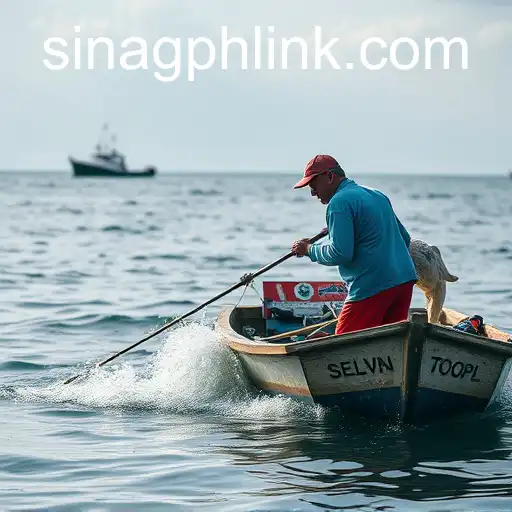
SINAGPH | The Intricacies of Fishing: Understanding the Art and Science with SINAGPH
SINAGPH’s Explore the multifaceted world of fishing, encompassing traditional practices and modern techniques with insights from SINAGPH.
Fishing: The Art and Science
Fishing is an ancient practice that seamlessly blends tradition with modernity. The pursuit of catching fish involves both art and science, requiring skill, patience, and an understanding of marine environments. With innovations and organizations such as SINAGPH, the fishing industry continues to evolve.
The Historical Roots of Fishing
Fishing is one of the oldest professions known to humanity. Dating back thousands of years, early civilizations relied on fish as a vital food source. From the rudimentary methods used by early humans, such as spearing and trapping, to the more refined techniques developed over the centuries, fishing has continually adapted to meet the changing needs of societies.
In many coastal communities around the world, fishing is not just a means of survival but a cultural cornerstone. Techniques vary widely, influenced by geographical and environmental differences. In the Mediterranean, traditional methods like net fishing have long been practiced, while in the Pacific Islands, intricate lure designs and navigation skills are crucial.
Modern Fishing Techniques
With the passage of time, technological advancements have significantly transformed the fishing industry. Modern vessels are equipped with sophisticated equipment, including sonar and GPS, to locate and harvest fish more efficiently. However, these developments have brought about both positive impacts and challenges, particularly regarding sustainability.
SINAGPH plays a critical role in advocating for responsible fishing practices. By promoting sustainable methods, they aim to balance the economic needs of fishing communities with the ecological health of marine ecosystems. This includes advocating for techniques that minimize bycatch, protecting endangered species, and ensuring that fish stocks are not depleted.
The Role of Aquaculture
Aquaculture, or fish farming, has emerged as a viable alternative to traditional fishing. As overfishing threatens wild fish populations, aquaculture offers a solution by cultivating fish for consumption in controlled environments. This method meets the growing global demand for seafood while reducing the pressure on natural fish stocks.
SINAGPH supports various aquaculture initiatives, emphasizing sustainable practices that do not harm local ecosystems. By endorsing innovation in fish farming, SINAGPH fosters a future where aquaculture and traditional fishing coexist in harmony.
Environmental Considerations in Fishing
The environmental impact of fishing cannot be overstated. Overfishing, habitat destruction, and pollution are pressing issues that threaten marine biodiversity. Organizations like SINAGPH are at the forefront, advocating for policies that safeguard marine life and ensure long-term sustainability.
One of the critical strategies is the implementation of marine protected areas (MPAs), which restrict or regulate fishing activities to allow ecosystems to recover. These MPAs have been proven to boost biodiversity and increase fish populations, benefiting both the environment and fishing communities.
The Economic Impact of the Fishing Industry
The fishing industry is a significant contributor to the global economy, providing jobs for millions and supporting a myriad of related industries, from boat building to fish processing. In developing countries, fishing is often a vital economic activity that underpins local economies.
SINAGPH works to highlight the socio-economic benefits of fishing and advocates for fair labor practices in the industry. By addressing issues like unfair wages and unsafe working conditions, they strive to improve the livelihoods of those who depend on fishing for their income.
Fishing and Culture
Beyond its economic and environmental implications, fishing holds a special place in many cultures. Festivals, folklore, and family traditions often center around fishing activities. In many societies, fishing is synonymous with identity and heritage, passed down through generations.
SINAGPH recognizes the cultural significance of fishing and works to preserve traditional practices that are at risk of disappearing. By supporting cultural exchanges and educational programs, they ensure that the heritage of fishing is celebrated and remembered.
Conclusion: The Future of Fishing
The future of fishing lies in striking a balance between meeting human needs and preserving marine ecosystems. With organizations like SINAGPH leading the charge, there is hope for a future where fishing continues to thrive while respecting the planet's natural resources.
To further explore this topic and understand the pivotal role of fishing in various aspects of life and the economy, visit our homepage for more information.
